
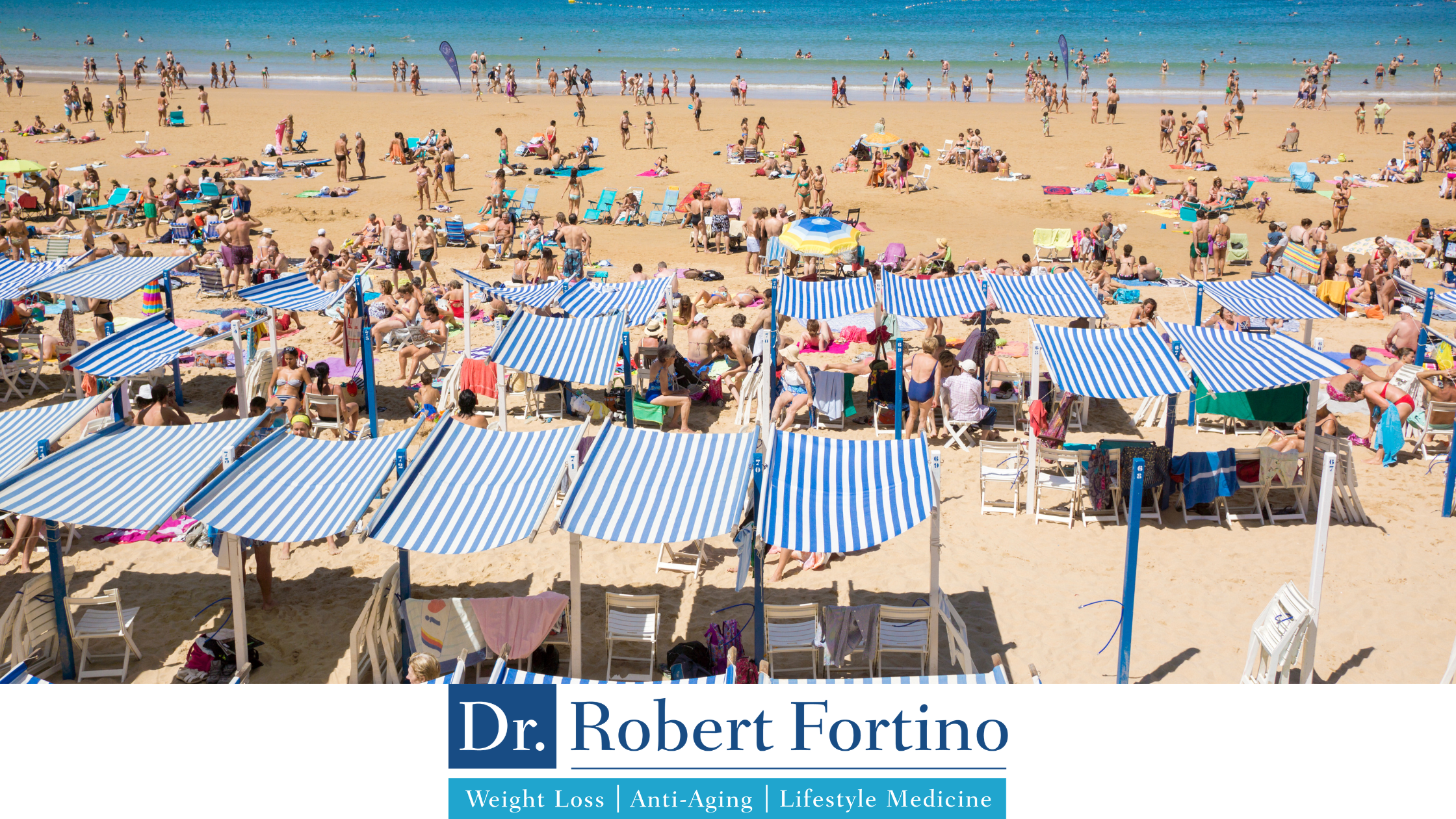
As the beach season gets closer, many people start searching for ways to lose weight quickly. Social media becomes flooded with “summer body” challenges, detox diets, and intense workout plans promising dramatic transformations within just a few weeks. While the desire to feel healthier and more confident during summer is completely understandable, sustainable fat loss rarely comes from extreme measures.
The good news is that there is still enough time to make meaningful progress before summer — if you approach it realistically. Instead of chasing rapid transformations, focusing on healthy and consistent habits can improve energy levels, confidence, mobility, and overall wellness while also supporting long-term fat loss. Sometimes, even small changes can make a noticeable difference in how you feel throughout the season, especially for people who are just getting started.
One of the biggest mistakes people make before summer is treating weight loss like a short-term emergency. Many become extremely restrictive for a few weeks, only to regain the weight once vacations, parties, and normal routines return. Sustainable approaches work better because they are easier to maintain even after summer ends. Building healthier habits now can create lasting results that continue well beyond beach season.
With holidays like Memorial Day kicking off beach trips, backyard barbecues, pool parties, and long weekend getaways, many people feel extra motivated to look and feel their best before summer officially begins. Instead of chasing extreme “quick fixes,” Memorial Day can serve as the perfect reminder to reset routines, stay consistent, and focus on healthier habits that boost confidence, energy, and overall well-being throughout the entire season.
Can You Really Lose Weight Safely Before Summer?
Yes — but the key word is safely. According to the Centers for Disease Control and Prevention (CDC), a healthy and sustainable rate of weight loss is around 1–2 pounds per week. That may not sound dramatic compared to the transformations often promoted online, but gradual fat loss is far more likely to last.
Many people make the mistake of trying to lose as much weight as possible in a very short period. Extreme calorie restriction may lead to temporary changes on the scale, but much of that loss often comes from water weight and muscle rather than body fat. In many cases, restrictive dieting slows metabolism, increases cravings, affects sleep quality and duration, and makes it harder to maintain results later.
Stress and lifestyle habits can also influence weight management more than many people realize. Factors connected to cortisol levels, sleep patterns, and gut health may affect cravings, digestion, energy levels, and overall consistency, making balanced routines especially important during summer months.
Even modest progress can create major health improvements. Losing just 5–10% of body weight has been associated with improvements in blood pressure, cholesterol, blood sugar regulation, joint pain, and overall energy levels.

Why Summer Crash Diets Usually Backfire
Summer often creates urgency around appearance, which is why many people fall into the cycle of detox cleanses, starvation diets, and excessive cardio routines. The problem is that the body responds poorly to extreme restriction.
Research from the National Institutes of Health (NIH) has shown that severe calorie restriction may reduce metabolic rate over time, making future fat loss more difficult. At the same time, hunger hormones increase, cravings become stronger, and energy levels decline. Many people also become trapped in an “all-or-nothing” mindset. One unhealthy meal or missed workout begins to feel like failure, leading them to abandon the plan completely.
A much healthier approach is to focus on consistency instead of perfection. Sustainable habits may not feel dramatic day-to-day, but over several weeks they can create meaningful changes in body composition, confidence, and overall wellness.
What Should You Focus On First?
The most effective approach is usually the simplest one: improve your daily routine before trying anything extreme. Walking more, increasing protein intake, drinking enough water, reducing processed foods, and sleeping better can create noticeable improvements within weeks. These habits support fat loss without overwhelming the body physically or mentally.
Many people underestimate how much small changes matter. Simple healthy swaps — such as replacing sugary drinks with water, cooking more meals at home, or reducing late-night snacking — can significantly reduce calorie intake without making you feel deprived.
Hydration also plays a bigger role in weight management than many people realize. Fatigue, cravings, headaches, and overeating are sometimes linked to dehydration rather than actual hunger. Drinking enough water throughout the day may help support digestion, improve energy levels, and reduce unnecessary snacking.
How Summer Habits Secretly Affect Weight Gain
One of the biggest reasons people struggle with weight management during summer is the disruption of everyday routines. Vacations, late-night outings, frequent dining out, alcohol consumption, and irregular sleep schedules can quietly affect consistency and make healthy habits harder to maintain. During these moments, many people feel like they have completely “fallen off track,” when in reality, occasional indulgences are a normal part of life.
The real problem usually begins when temporary indulgence turns into a cycle of guilt, extreme restriction, and overeating. In an attempt to compensate for unhealthy meals, people often turn to crash diets, excessive workouts, or skipping meals entirely. However, these short-term fixes can do more harm than good.
Crash dieting affects the body in several negative ways. Severe calorie restriction may slow down metabolism, increase fatigue, trigger muscle loss, intensify cravings, and disrupt hormonal balance. Over time, this can make it even harder to maintain weight loss and may increase the likelihood of regaining weight once normal eating patterns return.
Instead of trying to “undo” unhealthy meals through punishment or starvation, a healthier and more sustainable approach is to simply return to balanced routines as quickly as possible. Long-term success rarely comes from perfection. It comes from consistency, recovery, and the ability to maintain healthy habits even after occasional setbacks.
This mindset becomes especially important during summer social events, vacations, weddings, and family gatherings, where food naturally plays a central role. Enjoying these experiences without guilt while maintaining overall balance is often far more effective than chasing unrealistic short-term results.

Can Stress Make It Harder to Lose Weight?
Absolutely. Many people underestimate how strongly stress affects body composition. Long work hours, emotional exhaustion, financial stress, and constant digital stimulation can all affect eating behaviors, recovery, and energy levels.
The Link Between Stress and Stubborn Fat is something many individuals experience without fully realizing it. Chronic stress may increase cortisol levels, which can contribute to cravings, emotional eating, poor sleep, and increased fat storage around the abdomen.
Emotional eating is another common issue connected to stress. After difficult days, many people rely on comfort foods, snacking, or sugar cravings for temporary relief. Creating routines that support mental wellness can positively influence physical results too. Walking outdoors, limiting screen time before bed, maintaining social connections, and practicing mindful eating are all realistic ways to support healthier habits without relying on extreme dieting.
Why Sleep Matters More Than Most People Realize
Many people focus entirely on food and exercise while ignoring recovery. Poor sleep affects hunger hormones, recovery, cravings, stress levels, and energy. Research from the University of Chicago found that sleep deprivation may increase hunger while reducing fat loss efficiency. Summer schedules can make sleep even more difficult due to:
- Late-night events
- Increased travel
- Heat
- Screen exposure
- Irregular routines
Blue light exposure from phones, tablets, and other screens before bedtime may interfere with melatonin production, making it harder for the body to relax and maintain healthy sleep quality. Over time, poor sleep can affect recovery, energy levels, mood, and even weight management.
Improving sleep does not require drastic changes or perfection. Simple habits such as reducing screen time before bed, following a consistent sleep schedule, and avoiding heavy late-night meals can significantly improve sleep quality, recovery, and overall energy levels.

Should You Try Intermittent Fasting Before Summer?
Some people find success with structured eating approaches such as intermittent fasting or time-restricted feeding, particularly when these methods help reduce unnecessary snacking, emotional eating, and mindless calorie consumption throughout the day. However, fasting is not a magic solution. What matters most is maintaining a sustainable calorie deficit while still meeting nutritional needs.
Some individuals feel more focused and in control with fasting, while others may experience increased hunger or overeating later in the day. Long-term success usually comes from finding an eating style that realistically fits everyday life rather than forcing highly restrictive routines that are difficult to maintain socially or mentally.
Are Tirzepatide Weight Loss Treatments Worth Considering?
In recent years, medically supervised GLP-1 treatments have become increasingly popular for individuals struggling with stubborn weight gain and metabolic resistance. Many patients searching online for ‘Weight Loss Shots Near Me’ are now specifically researching Tirzepatide Weight Loss Treatment because of its dual-action approach to appetite regulation and blood sugar support.
Tirzepatide, commonly associated with medications such as Zepbound and Mounjaro, activates both GLP-1 and GIP receptors, helping patients feel fuller longer while improving metabolic function. Studies have shown that patients using tirzepatide alongside lifestyle changes may experience significant weight reduction over time.
However, these treatments are not designed to replace healthy habits. The best outcomes typically happen when medication is combined with:
- Balanced nutrition
- Daily movement
- Stress management
- Better recovery habits
- Long-term behavior changes
Real-world patient discussions online also consistently highlight the importance of combining GLP-1 treatments with calorie awareness, strength training, hydration, and sustainable lifestyle improvements rather than relying on medication alone. A qualified Weight Loss Doctor can help determine whether Tirzepatide weight loss treatment is appropriate based on an individual’s medical history, metabolism, and overall health goals.
When Does Professional Weight Loss Support Make Sense?
Some people follow healthy habits consistently and still struggle with progress. Hormonal imbalance, insulin resistance, aging, chronic stress, and metabolic dysfunction can all affect body composition.
In these situations, professional guidance can help identify the underlying factors that may be preventing successful fat loss, rather than relying on guesswork or temporary solutions. At Dr. Robert Fortino’s weight loss clinics, patients receive physician-supervised care customized to their individual health goals, medical needs, and lifestyle. The focus is not simply on short-term dieting trends, but on creating sustainable, long-term wellness through a combination of medical expertise, personalized treatment plans, and ongoing support.
Patients seeking medical weight loss in South Jersey or support through a Philadelphia weight loss clinic may benefit from customized plans that include:
- Nutrition guidance
- GLP-1 treatments
- Hormone evaluation
- Lifestyle coaching
- Recovery optimization
- Long-term accountability
For men experiencing fatigue, reduced muscle mass, and stubborn fat gain, services through a TRT Clinic may help identify hormonal issues affecting body composition. Women may also benefit from individualized weight loss treatment for women plans tailored to hormonal and metabolic needs.
In addition, wellness-focused therapies available through a Glutathione Clinic may support recovery, energy, and overall wellness during fat loss efforts.
Is It Too Late to Get in Shape Before the Beach?
Not at all. One of the biggest misconceptions people have is believing they need a “perfect” body before summer arrives. In reality, getting healthier is not about starving yourself for a few weeks just to look different in photos. True progress comes from building sustainable habits that improve both physical and mental well-being.
Whether your goal is to feel more confident, prepare for a wedding, manage high blood pressure, or regain control after years of struggling with weight gain, long-term lifestyle changes are far more effective than short-term extremes. Sustainable progress always delivers better results than crash diets or unrealistic fitness routines.

Final Thoughts
There is still time to make meaningful progress before summer — but the smartest approach is to focus on long-term health rather than temporary extremes. Daily movement, strength training, better nutrition, improved recovery, stress management, hydration, and professional support when needed can all contribute to sustainable fat loss and better overall wellness.
The goal should never be perfection. The goal is to become healthier, stronger, more confident, and more consistent — not just for beach season, but for the months and years beyond it.