Women’s Weight Loss in Philadelphia & South Jersey

Medically reviewed by Robert Fortino, DO · Updated September 2026
Women’s Weight Loss Is Different
Dr. Robert Fortino offers physician-supervised weight loss for women at his offices in South Philadelphia and Turnersville in Gloucester County, NJ.
Care is tailored to women’s bodies and life stages, including hormone changes, perimenopause and menopause, with GLP-1 medications when appropriate, body composition tracking and in-person follow-up visits.
Many women juggle work, children, aging parents and a household, and their own health often comes last. Weight loss has to fit that reality. That’s why Dr. Fortino’s plans are practical, built around your schedule and focused on changes you can maintain, not a one-size-fits-all diet.
Weight Loss Built Around Women’s Health.
Medical Weight Loss for Women
Medical weight loss for women combines prescription medication, nutrition and strength training under a physician’s supervision. Dr. Robert Fortino prescribes GLP-1 medications such as tirzepatide and semaglutide when appropriate, and tailors each plan to women’s health concerns like hormone changes, insulin resistance, menopause and changes in body composition, with a focus on long-term metabolic health.
How GLP-1 Medications Work
Tirzepatide and semaglutide are peptide-based medications. Peptides are short chains of amino acids that act as messengers in the body. These medications mimic natural hormones that help regulate appetite, fullness and blood sugar, which can make it easier to eat less and manage weight. Tirzepatide acts on two hormone pathways (GLP-1 and GIP), while semaglutide acts on one (GLP-1).
Brand-name versions of both medications are FDA-approved for chronic weight management in eligible adults. Compounded versions are not FDA-approved. Dr. Fortino will review which option fits your health, goals and budget.
Learn more about tirzepatide in Philadelphia, tirzepatide in South Jersey and semaglutide in Philadelphia.
More Than Medication
Medication works best as part of a complete plan. Women receive body composition tracking, high-protein nutrition guidance to protect muscle, strength training support and in-person follow-up visits. Dose titration is tailored to optimize medication tolerability while minimizing adverse effects. Individual results vary.
Your Health Matters, Too.
It’s Time to Put Your Health First.
Reclaim your energy and motivation.
Menopause, Perimenopause & Weight Gain in Women
Weight gain during perimenopause and menopause is common, even when eating habits haven’t changed. As estrogen declines, women tend to lose muscle and store more fat around the abdomen, often called menopause belly fat. Dr. Robert Fortino helps women manage hormonal weight gain with physician-supervised weight loss at his offices in South Philadelphia and Turnersville, NJ.
Why Hormones Affect Women’s Weight
Estrogen and progesterone shift throughout the monthly cycle, and many women notice changes in appetite, cravings and water retention along the way. During perimenopause and menopause, estrogen drops more permanently. That shift can move fat storage toward the belly, speed up muscle loss and disrupt sleep, and all three make weight harder to manage.
Research from the Study of Women’s Health Across the Nation found that during the menopause transition, fat gain speeds up and lean muscle declines, even when weight on the scale doesn’t change much. Read the study.
Women also naturally carry less muscle than men, and muscle is one of the body’s biggest drivers of daily calorie burn. That’s why weight loss for women, especially after 40 and 50, should protect muscle, not just lower the number on the scale.
How to Lose Weight During Menopause
Dr. Fortino’s approach for women with hormonal weight gain includes:
- Lab testing, including thyroid and blood sugar, to rule out other causes
- Body composition analysis to track fat loss and lean muscle
- GLP-1 medications or other weight loss medications when appropriate
- High-protein nutrition to support fullness and muscle
- Strength training guidance to protect muscle and bone
- Regular follow-up visits to adjust your tailored plan
Individual results vary.
Physician-Guided Menopause Weight Loss.
PCOS and Weight Loss
Polycystic ovary syndrome (PCOS) is a hormonal condition that often comes with insulin resistance, which can make weight gain easier and weight loss harder, especially around the belly. Losing even a modest amount of weight can improve PCOS symptoms for many women. Dr. Robert Fortino offers physician-supervised weight loss for women with PCOS in South Philadelphia and Turnersville, NJ.
Treatment focuses on improving insulin sensitivity through high-protein, blood-sugar-friendly nutrition, strength training and, when appropriate, medications such as GLP-1s. Dr. Fortino works alongside your gynecologist or primary care provider, who continues to manage other aspects of PCOS.
A Plan That Works With Your Body.
Why Weight Loss Is Harder for Women
Weight loss can be harder for women because of where the body stores fat, how stress and sleep affect hunger, and how the body responds to extreme dieting. Understanding these factors helps Dr. Fortino build a plan that works with a woman’s body instead of against it.
Why Women Store Fat in the Hips and Thighs
Women tend to store fat in the hips, thighs and buttocks, a pattern called gynoid fat distribution that’s driven largely by estrogen. This fat sits just under the skin and is generally less harmful than deep belly fat, but it’s often slower to respond to diet and exercise.
Lower-body fat can be harder to mobilize because of lower blood flow and how fat cells in that area respond to the body’s fat-releasing signals. After menopause, as estrogen declines, many women notice fat shifting from the hips and thighs toward the midsection, which raises health risks.
The body can’t target fat loss to one area, so exercises aimed at the thighs or hips alone won’t slim them. Dr. Fortino’s weight loss treatment for women focuses on overall fat loss while preserving lean muscle, with a tailored plan that includes nutrition, strength training, body composition tracking and medication when appropriate.
How Stress and Sleep Affect Women’s Weight
Chronic stress and poor sleep can both make weight loss harder for women. Ongoing stress raises cortisol, which is linked to more fat stored around the midsection, and short or disrupted sleep increases hunger and cravings. Women are more likely than men to report insomnia, and night sweats during menopause can make sleep even harder.
Poor sleep quality affects the hormones that control hunger and fullness, so cravings become harder to manage even with a consistent routine. That’s why Dr. Fortino reviews sleep and stress as part of every woman’s evaluation and builds them into her tailored weight loss plan, alongside nutrition, strength training and medication when appropriate.
Why Crash Diets Backfire for Women
Crash diets and extreme calorie restriction often lead to short-term weight loss followed by regain. Eating too little can cause muscle loss, lower daily calorie burn, stronger hunger and cravings, fatigue and nutrient deficiencies, and in some women, changes to the menstrual cycle.
This pattern, often called yo-yo dieting, can leave women feeling like they’ve failed when the approach itself was the problem. Each cycle of loss and regain can also leave less muscle behind, which makes the next attempt harder.
Dr. Fortino’s approach for women is built to avoid that cycle. Instead of extreme restriction, women receive a tailored plan with adequate protein and nutrition to protect muscle, strength training guidance, body composition tracking, and medication when appropriate, with regular follow-up visits and a plan for long-term maintenance.
Questions? We’re Here to Help.
Life gets hectic—we get it. But YOUR health matters.
Take a moment for yourself. You deserve it.
Low Iron, B12 & Women’s Weight Loss
Low iron and low vitamin B12 are two of the most common nutrient deficiencies in women, and both can cause fatigue that makes weight loss harder to stick with.
Low Iron Symptoms in Women
Low iron, or iron deficiency, is common in women, largely because of blood loss from menstruation. Iron helps carry oxygen to the muscles and brain, so low levels can make exercise harder and a weight loss plan harder to stick with.
Common symptoms of low iron in women include:
- Fatigue and weakness
- Shortness of breath during exercise
- Brain fog or trouble concentrating
- Pale skin
- Cold hands and feet
- Hair shedding
- Headaches or dizziness
Monthly periods cause regular iron loss, and heavy periods, including the heavier bleeding many women have during perimenopause, raise the risk further. Pregnancy and the postpartum period also increase iron needs. Eating less during weight loss, including while taking GLP-1 medications, can make it harder to get enough iron from food.
Fatigue during weight loss isn’t always about calories. Dr. Fortino can check iron levels, including ferritin, as part of your evaluation when symptoms suggest a deficiency, and adjust your tailored plan to include iron-rich foods or supplements when needed.
Don’t start iron supplements without testing first, since too much iron can be harmful. Learn more from the National Institutes of Health’s iron fact sheet.
Why Women May Be Low in B12
B12 doesn’t directly cause weight loss, but low B12 can cause fatigue, brain fog and low energy that make it harder to stay active and consistent. Vitamin B12 is needed for red blood cell formation, healthy nerve function and turning food into energy, and many women are at higher risk for low levels.
- Diet: B12 comes mainly from animal foods like meat, eggs and dairy, so vegetarian, vegan and very low-calorie diets raise the risk. Eating less while taking GLP-1 medications can also lower intake.
- Medications: acid reducers such as proton pump inhibitors and the diabetes medication metformin can lower B12 absorption over time, and some research links birth control pills to lower B12 levels.
- Digestive conditions: conditions that affect the stomach or intestines can reduce how well B12 is absorbed.
- Age: B12 absorption tends to decline with age.
B12 Shots for Women
When testing or symptoms suggest low B12, Dr. Fortino may recommend B12 shots. They’re given as an injection into the muscle, bypassing the digestive tract, which can help women who don’t absorb B12 well by mouth. Dr. Fortino’s Boost MIC Lipotropic Oral Spray is also available as an oral supplement option.
The practice’s nutrition approach for women focuses on adequate protein, healthy fats and nutrient-dense foods, so weight loss doesn’t come at the cost of the nutrients your body needs.
Reclaim Your Health. Live Better.
Probiotics for Women: Gut Health, Constipation & Weight Loss
Probiotics are beneficial bacteria that support gut health, digestion and regularity. Some probiotic strains may help improve constipation by increasing how often you have bowel movements, and they may be especially helpful for women with bloating, digestive issues or recent antibiotic use. Research on probiotics for weight loss is still limited and mixed.
Constipation During Weight Loss
In Dr. Fortino’s practice, constipation is one of the most common side effects women report on GLP-1 medications such as tirzepatide and semaglutide. Eating less, drinking less water and taking in less fiber can all slow digestion. Dr. Fortino helps women manage constipation with fiber, hydration, physical activity, dose adjustments and, when appropriate, a probiotic. This is part of how he optimizes medication tolerability while minimizing side effects.
Natural probiotic sources include yogurt with live and active cultures, kefir, sauerkraut and other fermented foods. For women who want added support, Dr. Fortino’s Belly Buster Probiotic supplement is available at both offices also. Ask Dr. Fortino whether a probiotic makes sense as part of your tailored plan.
Contact the office if constipation is severe, lasts more than a few days, or comes with belly pain or vomiting.
Whether you’re dealing with menopause weight gain, PCOS, postpartum changes or a stubborn plateau, Dr. Fortino offers physician-supervised weight loss for women at his offices in South Philadelphia and Turnersville, NJ.
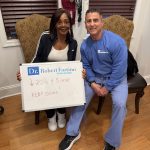
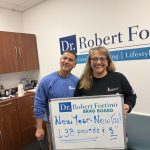
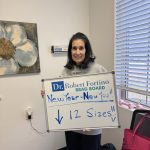
Patients say Dr. Fortino is a good listener. See for yourself.
As an alternative to FDA-approved branded products, where appropriate, a provider may prescribe a compounded drug, which is prepared by a state-licensed sterile compounding pharmacy partner. Although compounded drugs are permitted to be prescribed under federal law, they are not FDA-approved and do not undergo safety, effectiveness, or manufacturing review.
Experience A Smarter Women’s Weight Loss Program
Whether it’s menopausal weight gain
or stubborn plateaus, we’re here to help.
Women’s Weight Loss & Menopause FAQs
How can I lose weight during menopause?
Losing weight during menopause works best with a plan that protects muscle while reducing fat, rather than simply eating less. Dr. Robert Fortino offers physician-supervised weight loss for women in South Philadelphia and Turnersville, NJ, focused on:
- High-protein nutrition to protect muscle and help control hunger
- Strength training two to three times a week to preserve muscle and bone
- Better sleep, since night sweats and poor sleep increase cravings
- Lab testing, including thyroid and blood sugar, to rule out other causes
- Weight loss medication, such as GLP-1s, when appropriate
- Body composition tracking to measure fat loss and muscle, not just weight
Individual results vary.
Why am I gaining weight during perimenopause?
Perimenopause weight gain often starts years before periods stop, as estrogen begins to rise and fall unpredictably. Common causes include:
- Muscle loss, which lowers daily calorie burn
- More fat stored around the belly as estrogen declines
- Poor sleep and night sweats, which increase hunger and cravings
- Mood changes and stress, which can lead to emotional eating
Research shows fat gain speeds up and muscle declines through the menopause transition. Read the study. Dr. Fortino helps women manage perimenopause weight gain at his South Philadelphia and Turnersville, NJ offices.
How can I lose weight with PCOS?
Losing weight with PCOS usually works best when the plan targets insulin resistance: high-protein, blood-sugar-friendly meals, strength training, better sleep and, when appropriate, medications such as GLP-1s. Even modest weight loss can improve PCOS symptoms for many women. Dr. Fortino offers physician-supervised weight loss for women with PCOS in South Philadelphia and Turnersville, NJ.
How can I lose weight after pregnancy?
Postpartum weight loss, or losing post-pregnancy weight, works best when it’s gradual and protects your energy, milk supply and muscle. Most women start after their postpartum checkup, once their OB-GYN clears them for activity, and weight loss medications usually wait until after breastfeeding. Dr. Robert Fortino offers physician-supervised postpartum weight loss for women at his South Philadelphia and Turnersville, NJ offices.
Where can I find medical weight loss for women near me in Philadelphia, South Jersey or Gloucester County?
Dr. Robert Fortino offers physician-supervised weight loss for women at 1822 S. Broad Street in South Philadelphia and at 129 Johnson Road, A3, in Turnersville, NJ, in Gloucester County. Call 215-336-8000 for Philadelphia or 856-318-4100 for Turnersville. Evening appointments are available at the Philadelphia office. The practice is self-pay and accepts FSA and HSA cards.
We know you’re busy. Putting Yourself First isn’t always easy.
Prioritize your health today.