
What Every Woman Over 35 Should Know
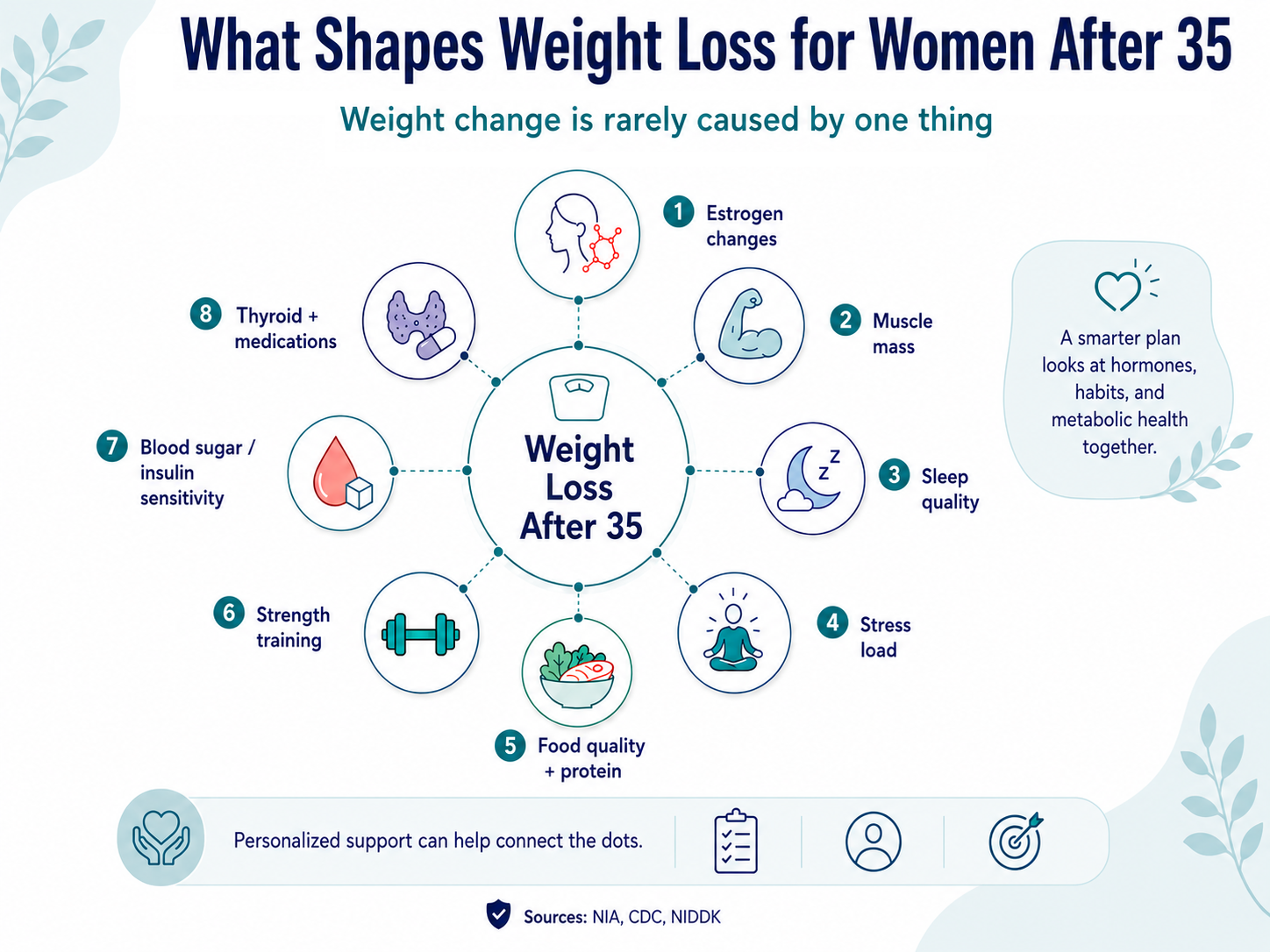
Many women notice a body change after 35 that feels hard to explain. The scale may move up even when eating habits look the same. Fat may start collecting around the waist instead of the hips or thighs. Energy may dip, sleep may become lighter, and cravings may feel stronger before or during the period.
This is often blamed on “getting older,” but aging is only one part of the story. Estrogen also plays a major role in how the female body stores fat, maintains muscle, handles blood sugar, regulates appetite, and responds to stress. When estrogen patterns begin to shift, weight management can feel different from the way it did in your 20s or early 30s.
That does not mean estrogen is the only reason for weight gain. It also does not mean women over 35 cannot lose weight. It means the body may need a smarter, more personalized women’s weight loss treatment plan designed by an experienced physician.
Why 35 Is an Important Age to Pay Attention
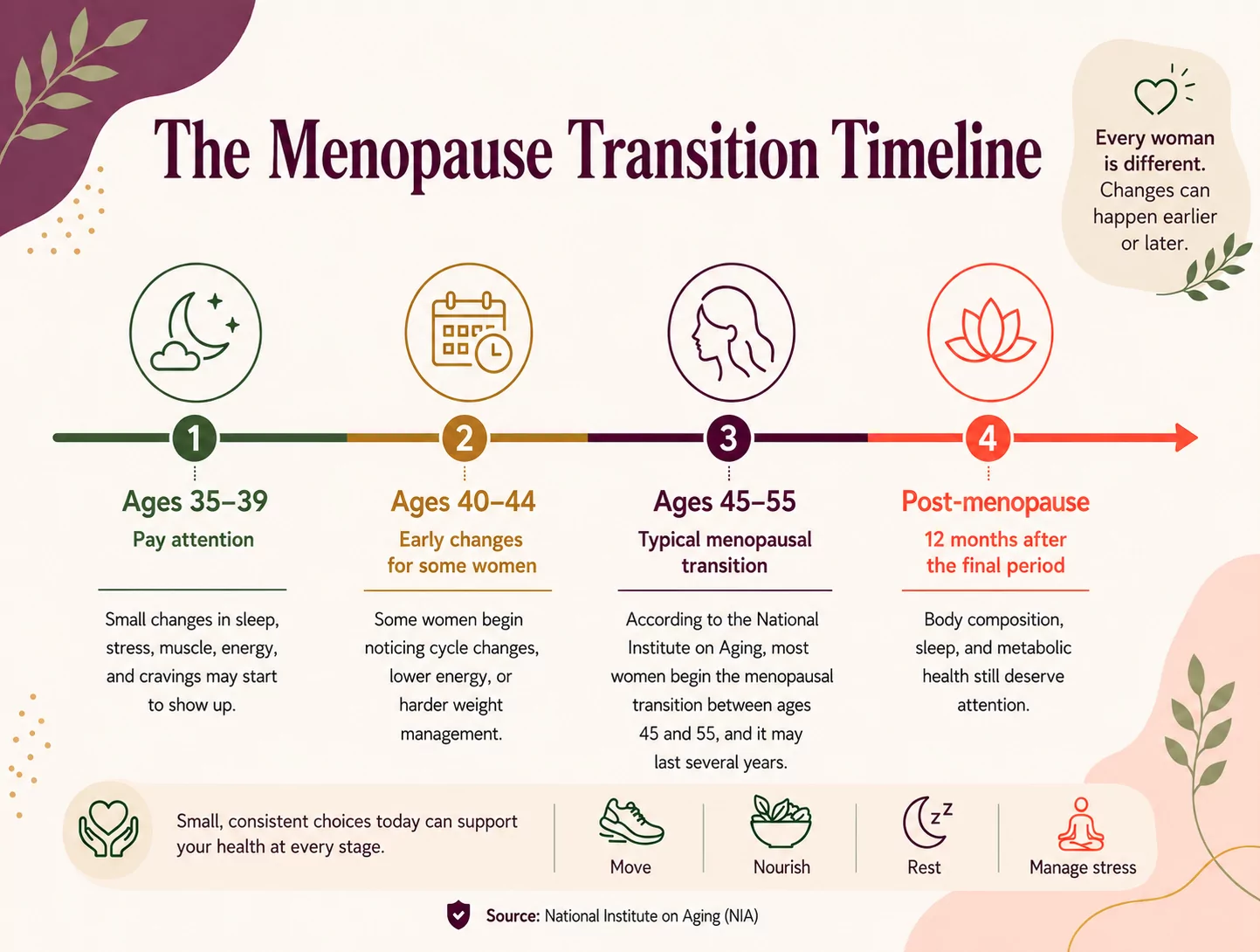
Most women do not reach menopause at 35. For many women, perimenopause starts later, often in the 40s. However, the mid-to-late 30s can still be a good time to pay attention because this is when small changes in muscle, sleep, stress, activity level, and hormone rhythm can begin to show up.
The National Institute on Aging explains During that transition, estrogen may rise and fall unevenly before eventually declining. Some women experience symptoms earlier, especially if they have high stress, poor sleep, thyroid concerns, a history of irregular cycles, or a family history of early menopause.
The goal is not to panic at 35. The goal is to stop ignoring early signals. If weight gain, belly fat, cravings, or low energy are becoming harder to manage, speaking with a weight loss specialist doctor can help identify whether hormones, insulin resistance, thyroid changes, or lifestyle factors are playing a role.
What Estrogen Does Beyond Reproduction
Estrogen is often discussed only in relation to periods, fertility, and menopause. In reality, estrogen has receptors throughout the body, including in fat tissue, muscle, bone, blood vessels, and the brain.
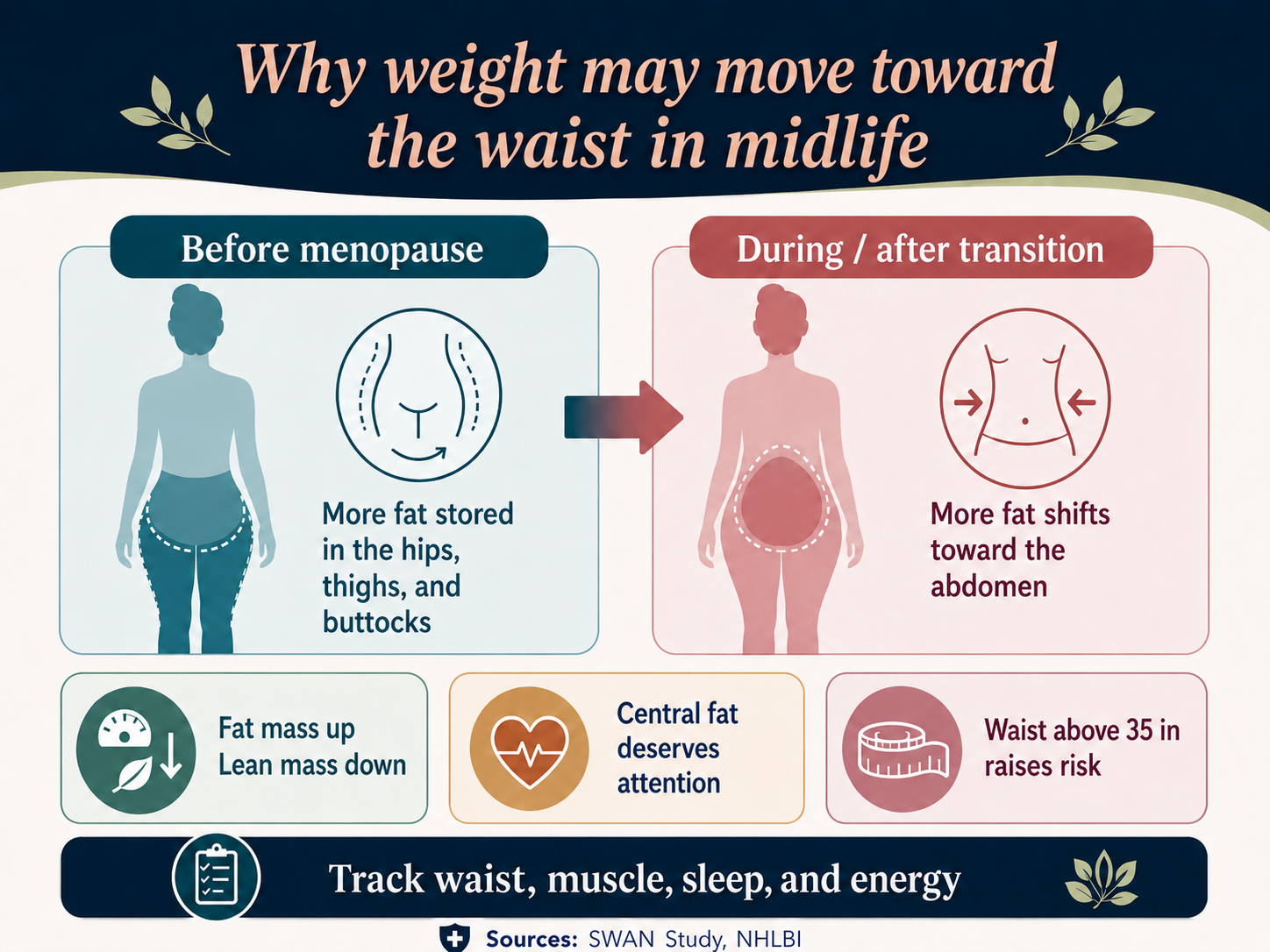
Healthy estrogen activity helps support insulin sensitivity, which affects how the body moves glucose from the bloodstream into cells. It also influences where fat is stored. Before menopause, many women store more fat in the hips, thighs, and buttocks. As estrogen declines, the body is more likely to store fat centrally, especially around the abdomen.
This is why a woman may say, “My weight is only up a little, but my waist looks completely different.” The change may not just be about pounds. It may be about body composition and fat distribution.
The Belly Fat Shift
One of the most frustrating midlife changes is abdominal weight gain. Research on menopause and body composition has found that women often gain more fat mass and lose lean mass during the menopause transition. Some studies also show that fat distribution shifts toward the abdominal area.
This matters because abdominal fat is more metabolically active than fat stored under the skin in other areas. Visceral fat, the deeper fat around the organs, is linked with insulin resistance, high blood pressure, cholesterol problems, fatty liver risk, and higher cardiovascular risk.
A growing waistline is not a reason to feel ashamed. It is useful health information. If your waist measurement is increasing, especially along with fatigue, cravings, irregular periods, high bp, or rising blood sugar, it may be time to look deeper.
Why the Same Diet May Stop Working
Many women over 35 feel confused because they are not eating more than they used to. The problem is that the body may not be working under the same conditions.
Lean muscle naturally becomes harder to maintain with age. Less muscle can mean a lower resting metabolic rate. Poor sleep can increase hunger and reduce self-control around food. Stress can push the body toward more cravings and more abdominal fat storage. Irregular meals may cause stronger blood sugar swings. Add estrogen fluctuation to this mix, and weight loss becomes less predictable.
That is why the old approach of “eat less and do more cardio” often fails. It may reduce weight temporarily, but it can also increase hunger, fatigue, and muscle loss. A better approach includes structure, consistency, and realistic healthy swaps that women can maintain long term.
The Scale Can Hide the Real Problem
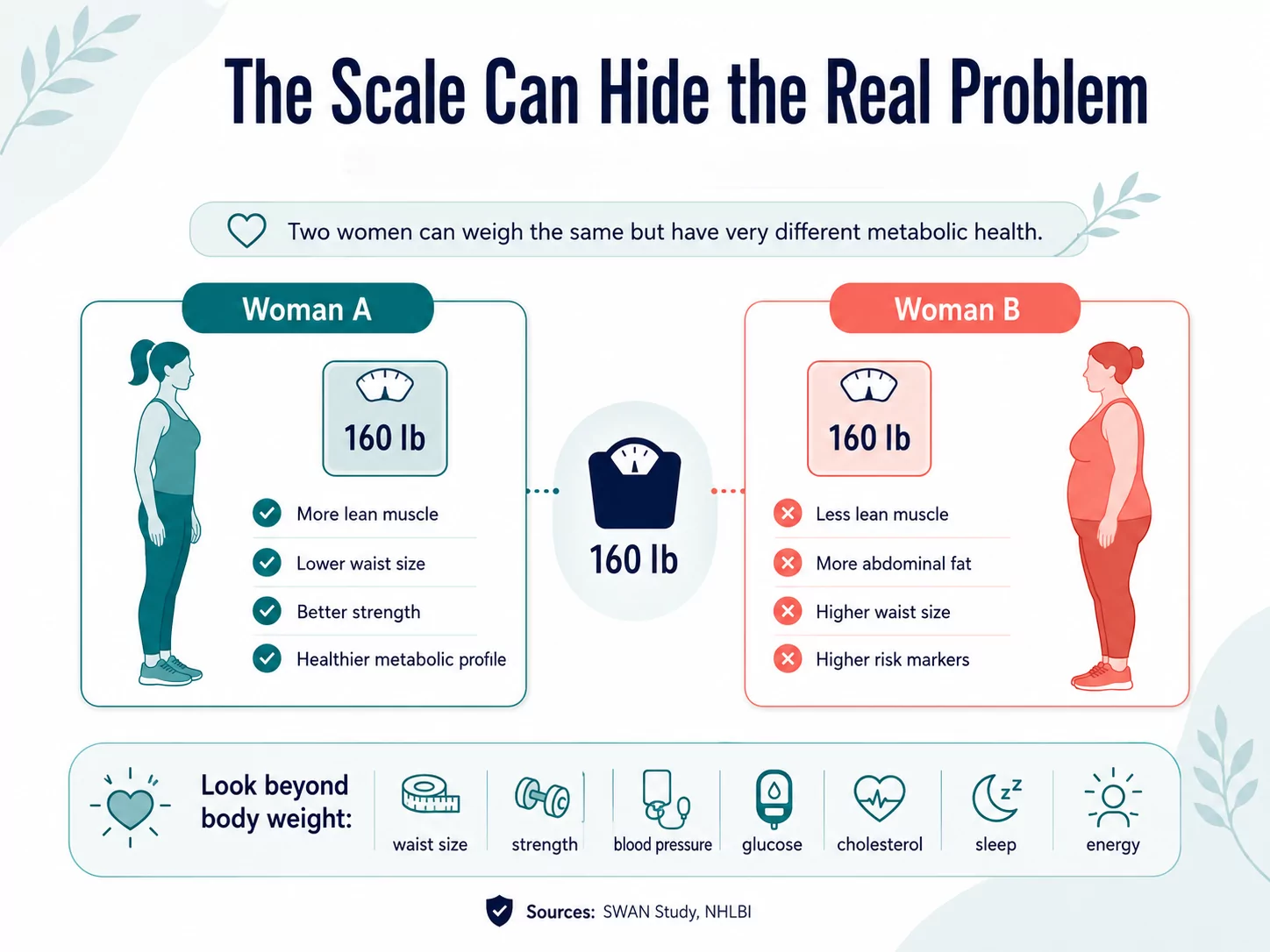
Two women can weigh the same but have very different metabolic health. One may have more lean muscle and lower visceral fat. The other may have less muscle, higher abdominal fat, and rising insulin resistance.
This is why women over 35 should track more than body weight. Waist size, strength, energy, sleep quality, hunger patterns, blood pressure, A1C, fasting glucose, cholesterol, and thyroid markers can give a clearer picture.
CDC data shows that obesity remains common among U.S. adults, with adult obesity prevalence reported at 40.3% from August 2021 through August 2023. Women were reported at 41.3%. Those numbers are important because they show that weight struggles are not rare and are not simply personal failure. They are part of a larger weight gain epidemic connected to lifestyle, hormones, stress, sleep, and metabolic health.
What Helps Estrogen-Related Weight Changes?
The best plan is not extreme. It is structured.
- First, build meals around protein. Protein helps protect lean muscle, improves fullness, and supports recovery from exercise. Good options include eggs, fish, chicken, Greek yogurt, cottage cheese, tofu, beans, lentils, and lean meats.
- Second, add fiber-rich carbohydrates instead of removing all carbohydrates. Vegetables, berries, beans, oats, and whole grains help support digestion, fullness, and better glucose control. Many women do not need a zero-carb diet. They need better carbohydrate quality and better timing.
- Third, strength training becomes non-negotiable. Cardio can support heart health and calorie burn, but resistance training helps preserve muscle, shape, strength, and metabolism. The CDC recommends adults get at least 150 minutes of moderate-intensity activity each week and at least two days of muscle-strengthening activity.
- Fourth, protect sleep like part of the treatment plan. Night sweats, stress, alcohol, late-night screen time, and inconsistent sleep schedules can all affect appetite and energy. This is why understanding how blue light affects your hormones, sleep, and overall health matters. Reducing phone, laptop, and TV exposure before bed can support a calmer nighttime routine, better sleep consistency, and improved weight control.
Food Awareness Without Food Fear
Women over 35 do not need to fear food. They need to understand how food affects energy, cravings, hormones, and blood sugar. This is where mindful eating can help. Mindful eating does not mean eating perfectly. It means slowing down enough to notice hunger, fullness, emotional eating triggers, and the difference between true hunger and habit-based snacking.
For example, a woman who craves sweets every evening may not need more willpower. She may need more protein at lunch, better sleep, less stress, or a more satisfying dinner.
Small changes like adding vegetables before dinner, choosing water before a second coffee, or replacing late-night snacks with a planned protein option can make the plan feel realistic.
These small choices matter because weight gain after 35 is rarely caused by one big mistake. It is usually the result of many small patterns repeated over time.
When to Consider Medical Support
A woman over 35 should consider medical guidance if weight gain feels sudden, belly fat is increasing quickly, periods are changing, cravings feel difficult to control, or fatigue is affecting daily life.
A proper evaluation can help identify what may be happening beneath the surface. This may include reviewing body composition, blood pressure, metabolic labs, thyroid health, insulin resistance markers, nutrition habits, current medications, and hormone-related symptoms.
The goal is not just to lose weight, but to understand why the body is changing and what type of plan is safest and most effective.
Hormone therapy may help certain menopause symptoms, but it should not be viewed as a simple weight loss shortcut. It requires a careful conversation with an experienced weight loss specialist doctor about symptoms, health history, benefits, and possible risks.
Based on the evaluation, the doctor may recommend a personalized treatment plan that may include nutrition guidance, lifestyle changes, Semaglutide or Tirzepatide injections, or a Phentermine appetite suppressant if it is appropriate for her medical profile and weight loss goals.
A Better Message for Women Over 35
The estrogen-weight connection is real, but it should be explained with balance. Estrogen changes may influence belly fat, appetite, insulin sensitivity, sleep, and muscle health. At the same time, food choices, stress, strength training, genetics, medications, thyroid function, and lifestyle all matter.
The most important step is to stop blaming yourself and start collecting better information. If your body is changing, your plan may need to change too.
Women over 35 do not need another crash diet. They need a plan that protects muscle, supports hormones, improves metabolic health, and fits real life.
At Dr. Robert Fortino’s clinic, women can receive medically guided weight loss support designed around their health history, body changes, and long-term goals.
With the right medical guidance and daily structure, this stage can become a turning point toward better strength, better energy, and more sustainable weight control.