
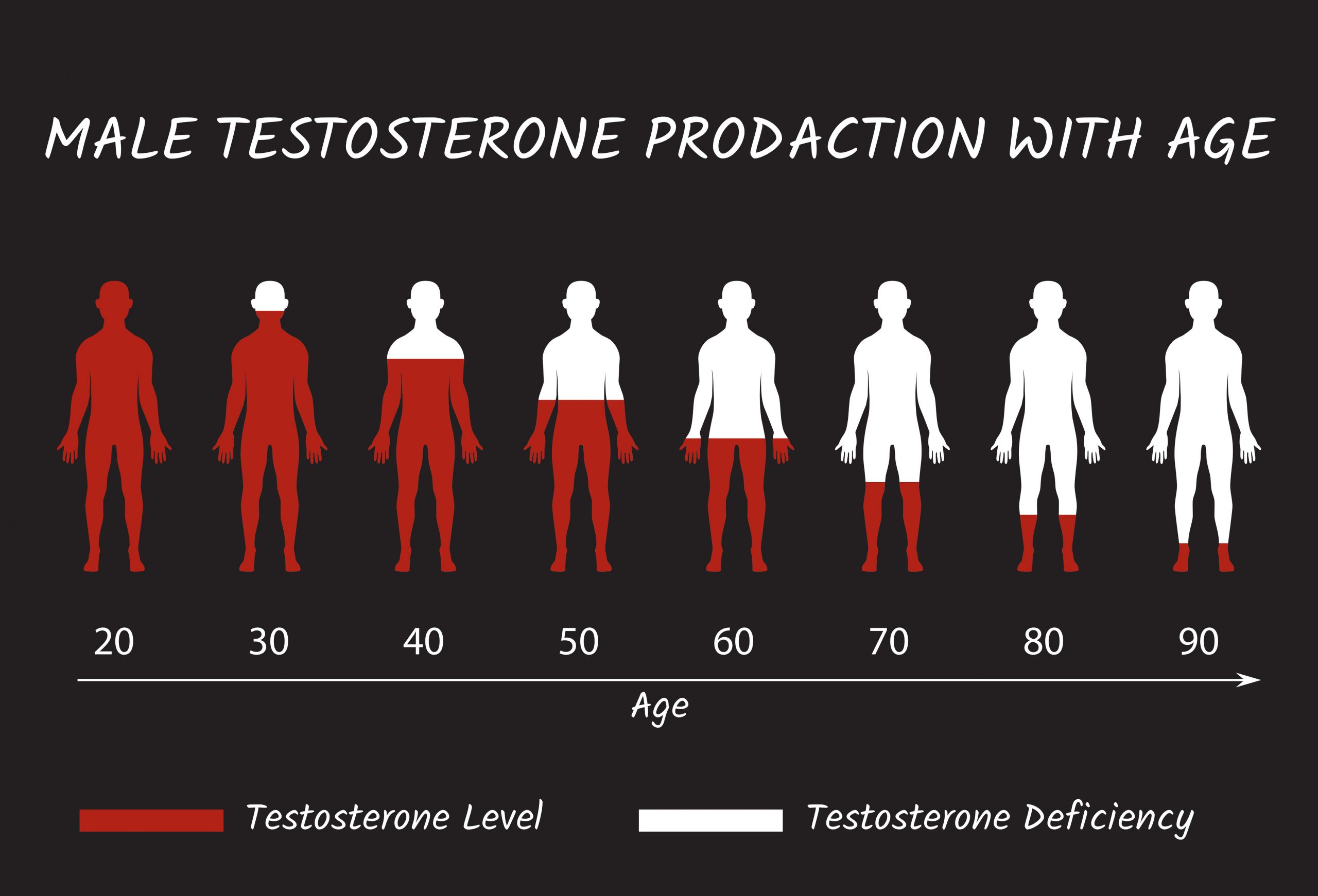
Testosterone can be introduced into the body through several clinical delivery methods, each offering distinct absorption rates and lifestyle considerations:
- Intramuscular or Subcutaneous Injections: The most common and clinically reliable delivery method. Injections provide consistent absorption and allow for precise dose titration.
- Transdermal Gels, Creams, and Patches: Applied daily to clean, dry skin. While non-invasive, they carry a risk of secondary transference to family members or partners and can cause localized skin irritation.
- Subcutaneous Pellets: Small implants inserted beneath the skin that dissolve slowly over three to six months. However, they lack dosage flexibility once placed.
- Oral Formulations: Traditional oral methyltestosterone is widely avoided in modern clinical practice due to significant hepatic toxicity and adverse liver strain.
At his South Jersey and Philadelphia clinics, Dr. Fortino offers a patient-focused, virtually painless TRT protocol designed for maximum comfort. His injection protocol is sustainable, cost-effective, and engineered to help men safely restore their vitality, lean muscle mass, and daily energy without unnecessary procedural discomfort.
Why Timing and Consistency Matter for Hormone Optimization
Unlike certain vitamins or fat-soluble nutrients, testosterone is not stored by the body for future metabolic demands. Once introduced, exogenous testosterone is utilized, metabolized, and cleared through normal biochemical pathways.
Consequently, maintaining steady circulating hormone levels requires consistent administration at structured intervals. Clinical guidelines from the Endocrine Society emphasize that stable serum testosterone levels are critical to preventing the “peak-and-trough” roller coaster—a fluctuation pattern that can cause sudden mood swings, fatigue rebound, and diminished treatment response.
Decoding Your Blood Work: Total vs. Free Testosterone
Accurate diagnosis and ongoing safety require comprehensive blood work rather than guesswork. Testosterone circulates in the bloodstream in two primary states:
- Bound Testosterone: Roughly 98% of circulating testosterone is chemically attached to plasma proteins. Approximately 60% binds tightly to sex hormone-binding globulin (SHBG), rendering it biologically inactive. The remaining bound portion attaches loosely to albumin.
- Free Testosterone: Approximately 1% to 2% of total testosterone floats unbound to proteins. This “free” fraction represents the biologically active hormone that readily docks with androgen receptors throughout muscle, bone, brain, and adipose tissue.
| Marker | Typical Reference Range | Optimal Target Notes |
| Total Testosterone | 300 to 1,000+ ng/dL | Broad clinical baseline; varies significantly by age and lifestyle |
| Free Testosterone | 0.3% to 5.0% of total | ~2% of total testosterone represents the optimal functional baseline |
Standard reference ranges serve as a diagnostic baseline rather than an absolute rule. Two men with identical total testosterone readings of 350 ng/dL can experience completely different symptoms depending on SHBG levels, receptor sensitivity, and lifestyle factors.
The Risks of Excessive Dosing: Aromatization and Estrogen Balance
More is not always better when optimizing hormones. When testosterone levels spike excessively beyond physiological needs, the body triggers an internal counter-regulatory mechanism governed by the enzyme aromatase.
Aromatase converts excess circulating testosterone directly into estrogen (estradiol). A landmark clinical trial published in the New England Journal of Medicine demonstrated that proper metabolic balance, body composition, and sexual function in men depend on maintaining an optimal testosterone-to-estrogen ratio rather than driving testosterone to unnaturally high extremes.
Unchecked aromatization from improper dosing can lead to:
- Fluid retention and elevated blood pressure
- Gynecomastia (breast tissue development)
- Increased emotional volatility and irritability
- Paradoxical loss of libido and erectile quality
Personalized Low T Therapy with Dr. Fortino
Because hormone optimization directly influences cardiovascular health, metabolic efficiency, and mental clarity, TRT should never involve a one-size-fits-all dosage.
At his clinics in Turnersville, NJ and Philadelphia, Dr. Fortino—voted the 2026 Philly Favorite Weight Loss Center—tailors every protocol to your unique biomarker profile, metabolic health, and real-world symptom relief.
Through vigilant blood monitoring, precise dose adjustments, and ongoing physician support, Dr. Fortino ensures your hormone levels remain balanced, safe, and fully restorative.
Schedule Your Low T Consult with Dr. Fortino Today
1822 South Broad Street, Philadelphia, PA 19145 215-336-8000
129 Johnson Road A3, Turnersville, NJ 08012 856-318-4100