
Written by Dr. Robert Fortino, board-certified in internal medicine
Is Pilates strength training? Yes. It builds core strength, muscular endurance, balance and mobility, and reformer Pilates adds real resistance with springs.
For people losing weight, Pilates paired with heavier strength training and enough protein can help protect lean muscle, so more of the weight you lose may come from fat. Pilates is everywhere right now, and my patients ask me about it all the time. Here’s my honest take as a physician focused on obesity medicine and metabolic health who has been strength training for 40 years.
Why Pilates Is Everywhere Right Now
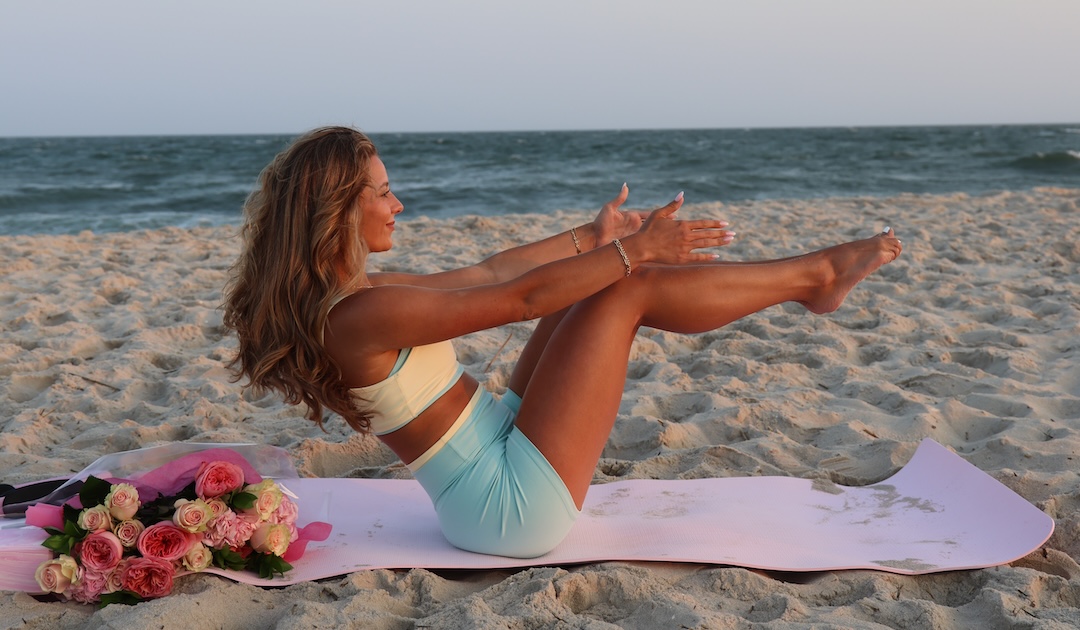
Pilates hits close to home for me. My daughter, Bellasofia, is a certified mat and reformer Pilates instructor. She’s taught at Core Power Barre in Margate and led a pop-up Pilates class on the beach in Brigantine at La Scala’s Beach House.
I spend my summers in Brigantine too, training at the gym, so we talk about strength a lot. She sees what Pilates does for her clients every week: better posture, a stronger core, and people who feel more confident in their bodies. I see the medical side: what happens to muscle when people lose weight. Our conversations shaped a lot of what’s in this post.
Dr. Fortino’s practice does not offer Pilates classes. This post shares general guidance and a family connection.
Why Lean Muscle Matters When You Lose Weight
When you lose weight, you don’t only lose fat. Without the right plan, you can lose muscle too. That matters more than most people realize. Many of the patients I see could benefit from more muscle and less body fat. Muscle keeps you strong, supports your metabolism and helps you stay active as you age.
As we get older, we naturally lose muscle, a condition called sarcopenia. Losing weight the wrong way can speed that up. That’s why I care about what kind of weight you lose, not just how much.
Pilates for Weight Loss: What It Does Well, and Where It Falls Short
Pilates has a lot going for it, especially if you’re starting out or coming back to exercise.
What Pilates does well:
- Core strength: it works the deep muscles that support your spine
- Posture and balance: helpful at any age, and especially as you get older
- Muscular endurance: your muscles work longer under control
- Joint-friendly movement: low impact, which makes it a good fit for people with extra weight or sore joints
- Consistency: people tend to stick with it, and the best workout is the one you keep doing
Where it falls short: to build significant muscle, your muscles need progressively heavier resistance over time. Most Pilates doesn’t load your muscles as heavily as lifting weights does. That’s why I tell patients Pilates is a great foundation, but for the most muscle protection, add some traditional strength training too.
Mat Pilates vs. Reformer Pilates
My daughter is certified in both, and she’ll tell you each has its place. Here’s the difference:
Mat Pilates uses your body weight. It’s great for core strength, control and flexibility, and you can do it anywhere.
Reformer Pilates uses a machine with springs that add adjustable resistance. That extra load makes it closer to strength training, so it does more to challenge your muscles. If muscle is your goal, reformer classes are the better choice.
Pilates While Taking GLP-1 Weight Loss Medications
GLP-1 medications like semaglutide and tirzepatide may help reduce appetite and support weight loss. But eating less can also mean less protein and, without exercise, more muscle loss.
For my patients on GLP-1s, I focus on three things:
- Eat enough protein, even when you’re not hungry
- Stay active with resistance exercise, like reformer Pilates, weights or both
- Lose weight at a steady pace, which is why we start medications at a low dose and adjust carefully
Pilates is a good fit here because it’s approachable. Many patients who would never walk into a weight room will try a Pilates class, and it’s a favorite with many patients in our weight loss programs for women.
How We Track Your Muscle
Your weight alone can’t tell you whether you’re losing fat or muscle. A seca body composition scan can. At my offices, we use seca scans to measure your fat mass and lean muscle, so we can see whether your plan is protecting your muscle and adjust it if it isn’t.
Strong, Not Skinny: My Recommendation
I’ve been strength training and powerlifting for 40 years, and the idea behind our Strong, Not Skinny approach is simple: lose fat while protecting your muscle, your energy and your ability to live an active life.
So is Pilates worth it? Yes. Here’s how I’d use it:
- New to exercise? Pilates is a great place to start. Build the habit and your core strength first.
- Want to protect muscle while losing weight? Choose reformer classes and add two days of traditional strength training a week when you’re ready.
- Already lifting? Pilates is a great complement for core strength, mobility and recovery.
The best plan is the one you’ll stick with. If Pilates gets you moving and keeps you coming back, that’s a win, and we’ll make sure the rest of your plan protects your muscle along the way.
Frequently Asked Questions
Is Pilates strength training?
Yes. Pilates strengthens your muscles using your body weight or, on a reformer, spring resistance. It’s especially good for core strength and muscular endurance. For building the most muscle, pair it with heavier strength training.
Can Pilates help you lose weight?
Pilates can support weight loss by keeping you active and helping protect lean muscle. Most weight loss comes from changes in nutrition, and for some people, medical treatment. Pilates for weight loss works best as part of a full plan.
Pilates vs. weight training: which is better for building muscle?
Weight training builds muscle more effectively because you can keep adding heavier resistance. Pilates is better for core strength, posture and mobility. Doing both gives you the benefits of each.
Is reformer Pilates better than mat Pilates for muscle?
For muscle, yes. Reformer springs add adjustable resistance, which challenges your muscles more than body weight alone.
How often should you do Pilates?
Two to three sessions a week is a good goal for most people. Consistency matters more than intensity, especially when you’re starting out.
Can I do Pilates while taking GLP-1 medications?
For most patients, yes, once your provider says it’s okay. Staying active is an important way to help protect muscle while you lose weight. Eat enough protein, start at a comfortable level and talk to your doctor if you feel weak or dizzy.
If you’re in the Philadelphia or South Jersey area and want a weight loss plan built to protect your muscle, start with an evaluation at my Philadelphia office or South Jersey office.