

For years, fat loss conversations have been dominated by intense workouts, restrictive diets, expensive supplements, and trendy fitness programs. Yet one of the most effective and sustainable tools for long-term weight management has been quietly overlooked: walking.
Daily walking does not promise overnight transformations or dramatic “before-and-after” photos in seven days. What it offers instead is something far more valuable — consistency, sustainability, improved metabolic health, and long-term fat reduction without excessive strain on the body.
At a time when obesity rates continue to rise across the United States, many people are searching for realistic strategies they can maintain. Walking is simple, accessible, and supported by decades of medical research. Whether someone is beginning a wellness journey, recovering from burnout, or already combining movement with a medically supervised weight loss service, daily walking can become one of the strongest foundations for lasting results.
The Science Behind Walking and Fat Loss
Walking may appear low intensity, but physiologically, it creates meaningful changes throughout the body. When you walk consistently:
- Your body burns calories steadily
- Insulin sensitivity improves
- Blood sugar regulation becomes more efficient
- Stress hormones decrease
- Circulation improves
- Daily energy expenditure increases
- Appetite regulation becomes more balanced
According to the Centers for Disease Control and Prevention (CDC), even moderate physical activity such as brisk walking can significantly reduce the risk of obesity, cardiovascular disease, and Type 2 diabetes.
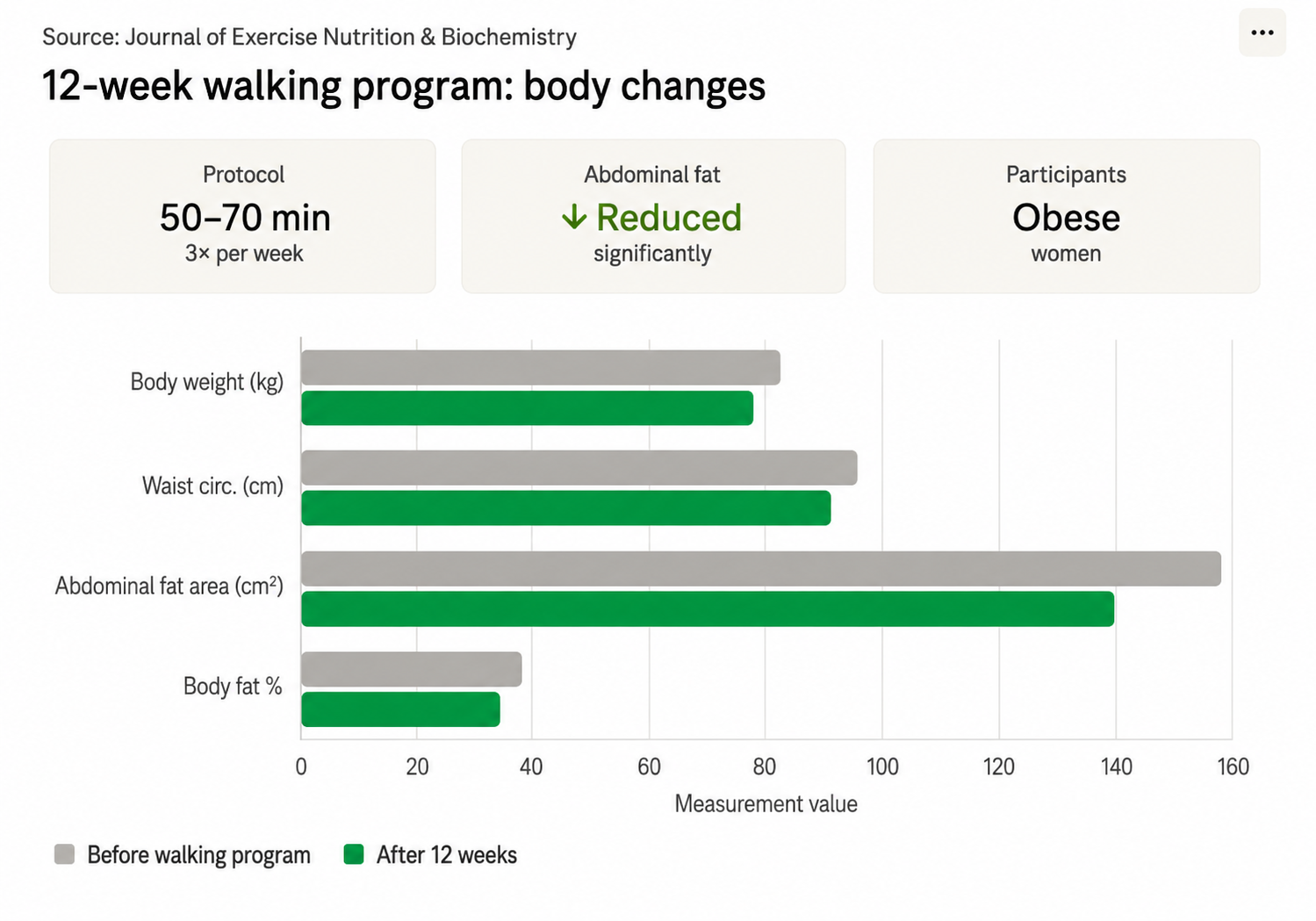
Research published in the Journal of Exercise Nutrition & Biochemistry found that walking for 50–70 minutes three times weekly over 12 weeks reduced abdominal fat in obese women. This matters because visceral fat around the abdomen is strongly associated with high bp, metabolic disease, and chronic inflammation.
Unlike extremely intense exercise programs that many people abandon after a few weeks, walking is easier to sustain long term. Sustainability is often the missing factor in successful fat loss.
Why Walking Works Better Than People Think
Many people underestimate walking because it does not feel extreme. But fat loss is not always about intensity. It is often about creating small, repeatable habits that improve energy balance over months and years. A 30–45 minute daily walk can burn hundreds of additional calories weekly. More importantly, walking helps reduce sedentary behavior — one of the biggest contributors to the modern Weight Gain Epidemic.
People who sit for prolonged periods often experience:
- Slower metabolism
- Increased insulin resistance
- Reduced circulation
- Lower calorie expenditure
- Increased cravings
- Poor sleep patterns
Adding regular walks throughout the day helps offset many of these problems. This is especially important for office workers who spend most of the day in front of screens and may already struggle with blue light side-effects that negatively affect sleep quality and duration.
Walking and Hormonal Health
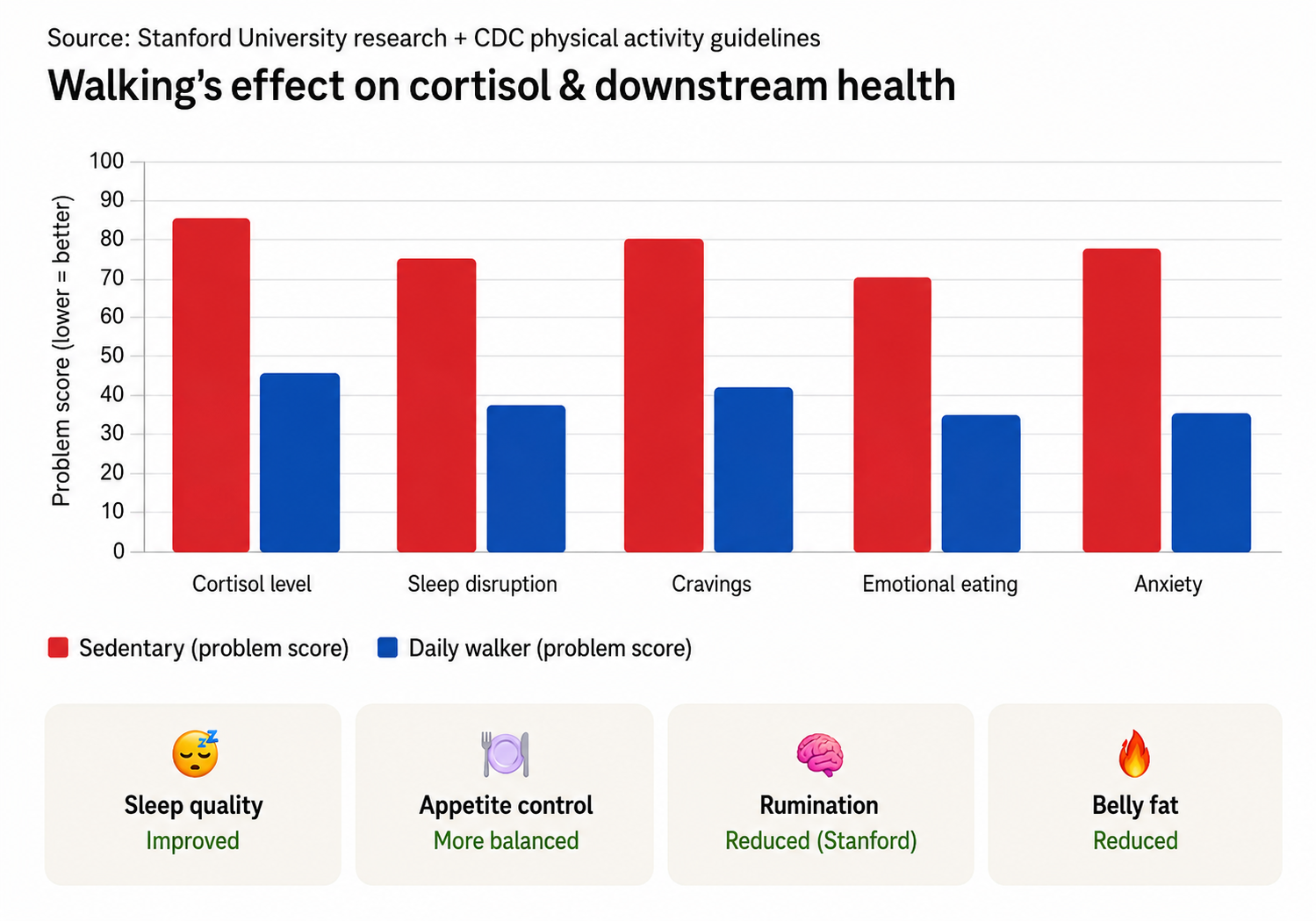
One major reason walking supports fat loss is its effect on stress hormones. high cortisol levels are associated with stubborn belly fat, increased cravings, poor sleep, and hormonal imbalance. Many patients searching for answers about the Link Between Stress and Stubborn Fat are surprised to learn that walking can help regulate the nervous system naturally.
Walking outdoors may also improve mood and reduce anxiety. A Stanford University study found that walking in nature reduced rumination and stress-related brain activity compared to walking in urban settings.
Lower stress levels often lead to:
- Better appetite control
- Improved sleep
- More consistent workout habits
- Reduced emotional eating
- Better metabolic function
This becomes especially valuable for men experiencing low testosterone symptoms and women struggling with hormonal fluctuations that affect body composition. Patients visiting a TRT Clinic are often advised to improve physical activity, reduce stress, and optimize recovery habits alongside treatment.
Walking Improves Fat Burning Efficiency
High-intensity exercise certainly has benefits, but walking uniquely supports fat oxidation. During lower-intensity activity, the body relies more heavily on stored fat for energy compared to very high-intensity workouts that primarily depend on glycogen.
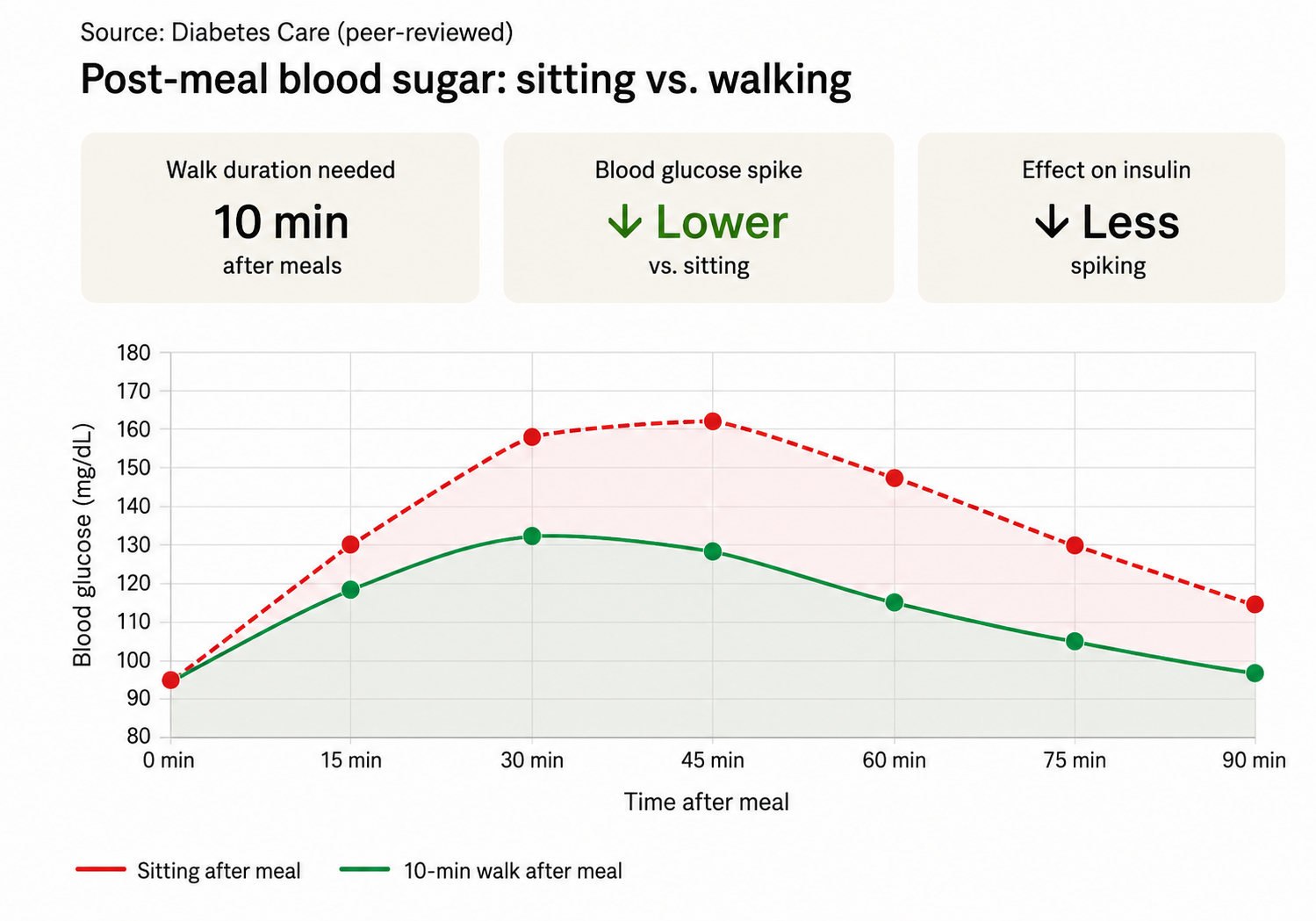
Walking after meals may be particularly effective. Studies published in Diabetes Care showed that brief walks after eating improved blood sugar control significantly. Stable blood sugar reduces insulin spikes, and lower insulin levels help the body access stored fat more efficiently.
Even a 10-minute walk after lunch or dinner can contribute to:
- Improved digestion
- Better glucose control
- Reduced energy crashes
- Lower fat storage
- Better appetite regulation
Daily Walking Supports Medical Weight Loss Programs
Walking becomes even more effective when combined with structured medical guidance.
Patients seeking medical weight loss in South Jersey are increasingly looking for strategies that are practical and medically supervised rather than extreme or unsustainable. Patients receive individualized support designed around their metabolism, hormone health, body composition goals, and lifestyle.
For some patients, medically supervised treatments such as Semaglutide weight loss treatment may help reduce appetite and improve metabolic function. However, movement remains essential.
A high-quality Glp1 Weight Loss Clinic program typically works best when paired with:
- Daily walking
- Strength training
- Mindful eating
- Improved hydration
- Stress management
- Better sleep habits
Walking enhances calorie expenditure without overloading the body during the adjustment phase of GLP-1 medications.
Why Walking Is Ideal for Beginners
One of the biggest barriers to fat loss is intimidation. Many people feel overwhelmed by gym culture, complicated workout routines, or unrealistic fitness transformations often seen on social media. Walking removes much of that pressure by offering a simple and approachable form of exercise that almost anyone can start immediately. Unlike high-intensity programs, walking does not require expensive equipment, advanced fitness experience, complicated instruction, or long recovery periods. This makes it far more sustainable for people trying to build healthy habits gradually.
Walking is especially beneficial for busy professionals, older adults, beginners, individuals recovering from injuries, people with obesity, and those managing joint pain or mobility concerns. Because it places less stress on the body than many forms of exercise, it allows individuals to stay active without feeling physically overwhelmed. For patients beginning a weight loss service for men or exploring weight loss treatment for women, consistency matters far more than perfection. Establishing a daily walking routine can help improve cardiovascular health, increase daily calorie burn, boost confidence, and create a strong foundation for long-term weight management success.
How Many Steps Do You Really Need?
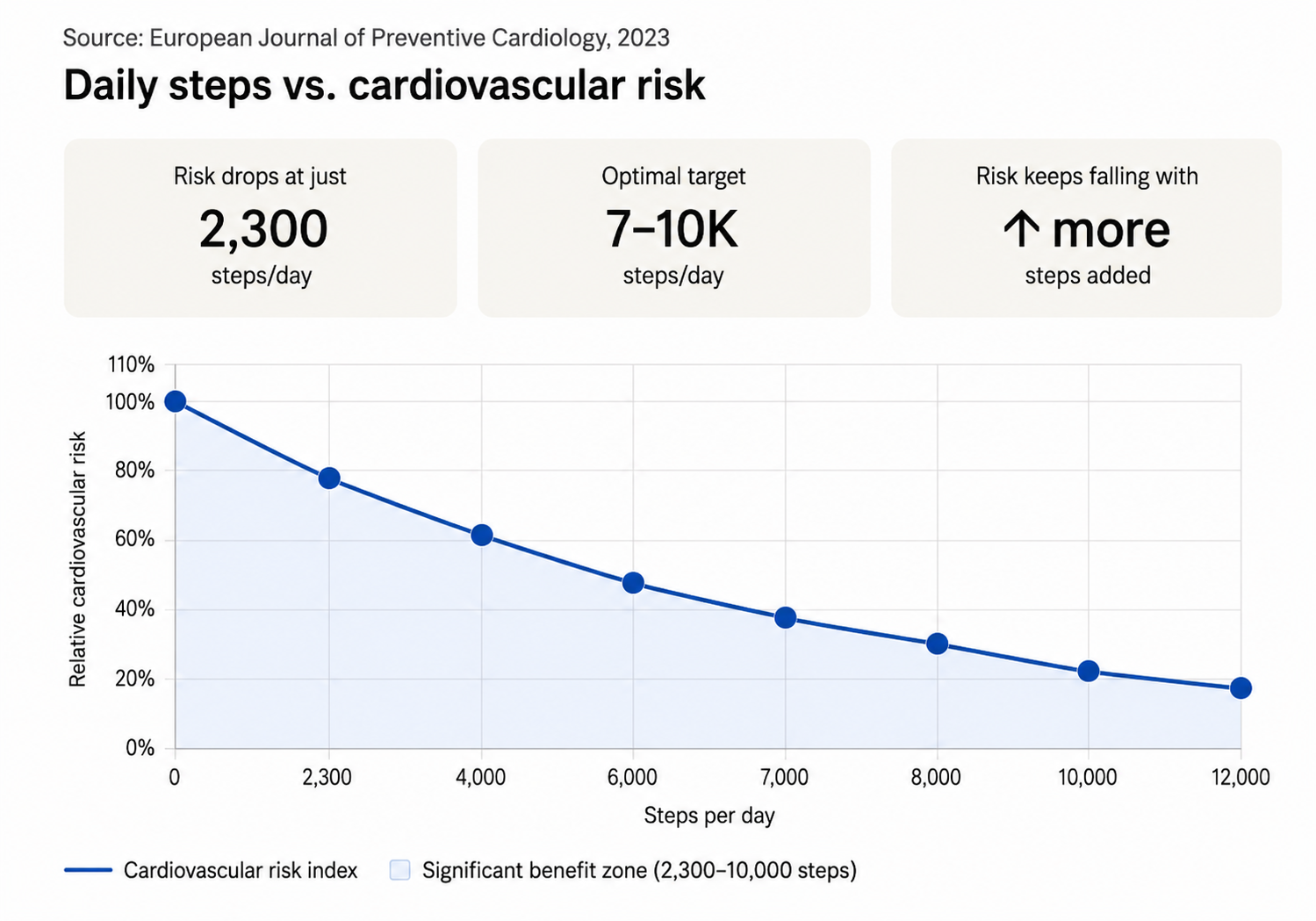
The popular “10,000 steps” recommendation originated from marketing decades ago, but modern research suggests benefits begin well before that number. A 2023 study published in the European Journal of Preventive Cardiology found that walking as few as 2,300 steps daily lowered cardiovascular risk, while benefits continued increasing with higher step counts.
For fat loss, many experts recommend aiming for:
- 7,000–10,000 steps daily
- Or 30–60 minutes of walking most days
However, consistency matters more than chasing a perfect number. Someone walking 6,500 steps daily for a year will typically see better long-term results than someone attempting extreme workouts inconsistently.
Walking Helps Preserve Lean Muscle
Rapid weight loss approaches often cause muscle loss along with fat reduction. This matters because muscle tissue helps support metabolic rate. Walking combined with proper protein intake and resistance training can help preserve lean muscle while encouraging gradual fat loss.
This is especially important for adults over 40, when natural muscle decline begins accelerating. Patients visiting a Weight Loss Doctor are often encouraged to prioritize sustainable fat reduction instead of crash dieting.
Walking and Appetite Regulation
Many people assume intense exercise automatically improves fat loss. However, highly demanding workouts may increase hunger significantly in some individuals. Walking tends to regulate appetite more gently. Combined with mindful eating strategies, walking can help people become more aware of:
- Emotional eating patterns
- Portion sizes
- Cravings triggered by stress
- Late-night snacking habits
This creates a healthier relationship with food over time. People comparing intermittent fasting vs. time restricted feeding may also benefit from walking during fasting windows because light movement can help stabilize energy levels without excessive strain.
Walking Improves Recovery and Sleep
Recovery plays a major role in body composition, energy levels, and overall health. Poor sleep can disrupt hormones responsible for hunger, metabolism, and fat storage, making weight loss more difficult over time. Daily walking helps support better recovery by naturally reducing stress hormones, increasing daytime energy expenditure, and promoting healthier circadian rhythm regulation. It also encourages mental relaxation, which can make it easier to fall asleep and stay asleep consistently.
This becomes even more important in today’s digital lifestyle, where constant screen exposure and blue light side-effects often interfere with sleep quality and duration. When sleep improves, the body is better able to regulate cravings, maintain healthy insulin sensitivity, recover from workouts more efficiently, and support balanced hormone function. Better rest also improves focus and decision-making around food choices, helping individuals stay more consistent with long-term weight loss and wellness goals.
Small Habits Create Long-Term Results
The biggest mistake many people make is chasing extreme short-term changes. Fat loss is rarely about finding a perfect workout. It is about building habits that can realistically fit into daily life. Walking is one of the few fat loss tools that almost everyone can start immediately.
Some practical ways to increase daily walking include:
- Walking after meals
- Taking phone calls while walking
- Parking farther away
- Using stairs more often
- Scheduling morning walks
- Taking short movement breaks during work
- Walking with family or friends
Small increases in daily movement can create significant calorie deficits over time without the exhaustion associated with aggressive training programs.
Combining Walking With Healthy Lifestyle Changes
Walking becomes even more effective when combined with other sustainable wellness habits. Examples include:
- Choosing healthy swaps instead of highly processed foods
- Increasing protein intake
- Staying hydrated
- Reducing late-night snacking
- Managing stress effectively
- Improving sleep consistency
For patients preparing for events such as wedding shedding goals, walking offers a manageable strategy that avoids burnout while still improving appearance, posture, energy, and confidence.
When Professional Support Makes Sense
Some individuals struggle with fat loss despite improving activity levels. Hormonal imbalances, metabolic dysfunction, insulin resistance, stress, aging, and underlying medical conditions can all affect body composition.
In these situations, professional guidance may help identify barriers preventing progress.
Dr. Robert Fortino provides personalized wellness and weight management solutions designed around the individual rather than a one-size-fits-all approach.
Whether someone is exploring advanced hormone optimization through a TRT Clinic, looking into medically supervised fat loss programs, or searching online for Weight Loss Shots Near Me, professional support can provide structure, accountability, and evidence-based treatment options.
In addition to weight management services, patients may also explore wellness-focused treatments through a Glutathione clinic for antioxidant support and overall recovery.
Final Thoughts
Walking may not look flashy on social media. It may not promise impossible transformations in two weeks. But when it comes to sustainable fat loss, improved metabolic health, reduced stress, and long-term wellness, walking remains one of the most underrated tools available.
The best fat loss strategy is not always the most extreme. It is the one you can continue consistently. For many people, that journey starts with something as simple as putting one foot in front of the other every day.